Vantage Data Centers Eyes $100B IPO or Sale
Vantage Data Centers is weighing an IPO at about a $100 billion valuation or an outright sale, in what would be the largest data center listing to date.
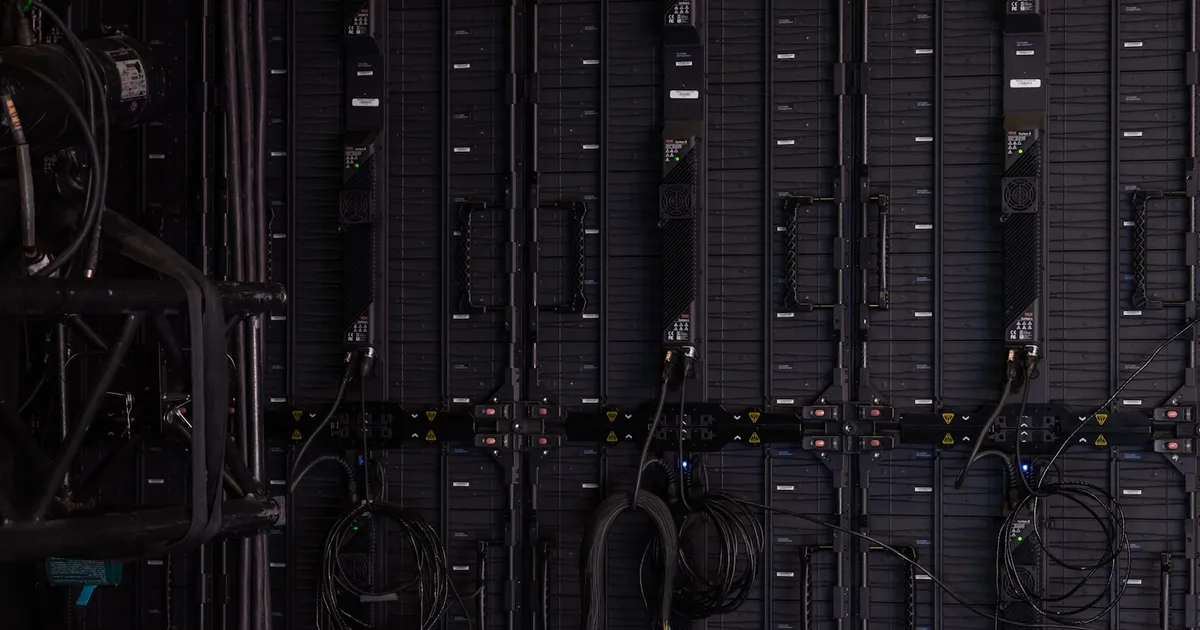
The AI infrastructure boom is about to test the public markets in a new way. On August 13, 2026, according to a Reuters report citing people familiar with the matter, Vantage Data Centers — one of the largest independent hyperscale developers in the world — is exploring options that include an initial public offering at a valuation of about $100 billion or an outright sale, as surging demand for AI compute lifts data-center valuations and fuels a wave of dealmaking.
A listing at that level would make Vantage the largest data-center IPO to date. The people familiar with the discussions said the company could raise around $10 billion in a stock-market debut, though they cautioned that the deliberations remain early: Vantage has held preliminary conversations in recent weeks and met informally with financial advisers, but no formal process has been launched and a sale remains on the table alongside a listing.
Who Vantage is, and who backs it
Vantage builds and operates large-scale data centers — the physical shells, power and cooling that hyperscalers and AI companies lease to house their servers. It is backed by two of the most active investors in digital infrastructure: private-equity firm Silver Lake and infrastructure specialist DigitalBridge Group.
The company has raised roughly $11 billion since late 2023 to fund its expansion, including a $9.2 billion equity investment led by DigitalBridge and Silver Lake and an earlier multibillion-dollar round from the same backers. That capital has gone toward a construction pipeline racing to keep up with demand from AI workloads, which require far more power and denser cooling per rack than the cloud applications data centers were built for a decade ago.
A $100 billion valuation would represent a striking markup on that invested capital in a short span — a measure of how aggressively the market has repriced anything tied to AI compute capacity.
The AI infrastructure connection
Vantage sits directly in the path of the industry’s biggest buildout. The company has, according to reports, partnered with Oracle and OpenAI on a data-center campus in Wisconsin tied to Stargate, the joint venture between SoftBank, OpenAI and Oracle to develop up to $500 billion and 10 gigawatts of AI data-center infrastructure. Being an anchor developer for a project of that scale is exactly the kind of relationship that turns a private infrastructure operator into an IPO candidate: it converts speculative demand into contracted, long-dated revenue that public investors can underwrite.
That dynamic — capacity leased to well-capitalized AI tenants under long contracts — is what separates this cycle’s data-center economics from the merchant model of the past. When the tenant is a hyperscaler or a frontier AI lab committing to years of capacity, the developer’s cash flows start to look less like a volatile real-estate play and more like a utility. It is the same logic driving deals such as Anthropic’s Theseus venture with Macquarie and GIC and Nvidia’s reported role backstopping OpenAI’s data-center commitments: infrastructure capital and AI demand are being wired together into structures designed to make enormous buildouts financeable.
A reviving pipeline of data-center listings
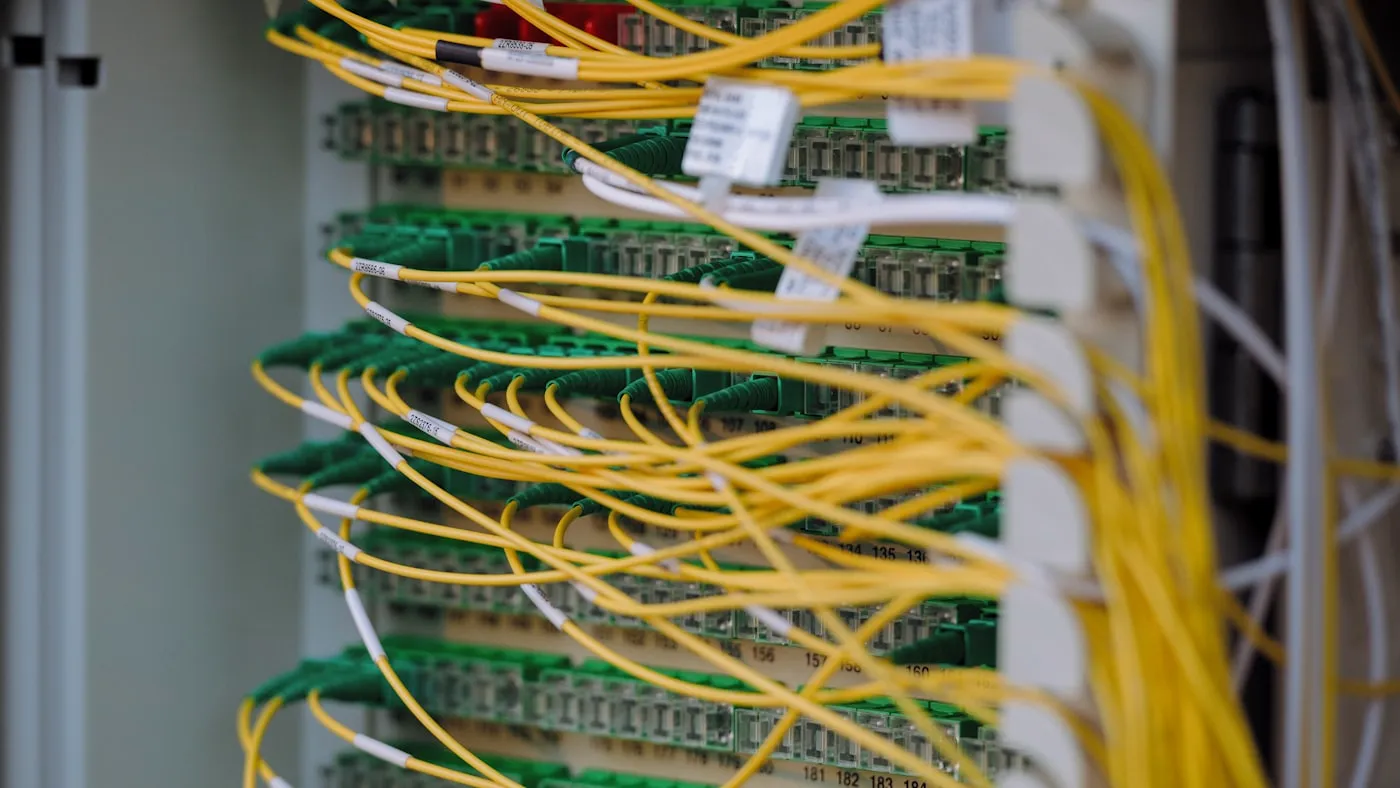
Vantage is not the only operator eyeing the public markets. According to reports, data-center operator Switch has hired banks for an IPO that could raise up to $10 billion at a valuation of about $80 billion, and CyrusOne is preparing for a potential IPO as early as 2027. Together they point to a revival in data-center listings after a quiet stretch, driven by the same force: investors want exposure to AI’s physical layer, and the private owners of that layer see a window to realize valuations that would have been unthinkable a few years ago.
For a business that consumes capital as fast as data-center development does, a public listing is more than a payday for early backers. It opens access to deep, liquid capital markets to fund the next wave of construction; it hands existing investors like Silver Lake and DigitalBridge a path to partial liquidity; and it creates a public currency for future deals. For anyone who has followed Anthropic’s own confidential IPO filing, the pattern is familiar — the AI boom is steadily pushing its largest private players toward the public markets, whether they are model labs or the landlords that house them. (For a primer on how the process works, see what an IPO actually is.)
What it means
A $100 billion data-center IPO would be a landmark repricing of AI’s physical layer. For most of the past two years, public-market enthusiasm for AI concentrated on chips and models — Nvidia, the hyperscalers, the frontier labs. A listing of this size for a company that builds the buildings would mark the moment the market decided the picks-and-shovels of the buildout deserve frontier-scale valuations too. It reflects a belief that the constraint on AI is increasingly power and real estate, not just silicon.
The economics hinge on the durability of the demand. A $100 billion valuation prices in years of tenant commitments holding firm. The bull case is that hyperscalers and AI labs have signed long, binding leases that make the cash flows utility-like. The bear case is the one the July memory crash rehearsed in an adjacent market: AI infrastructure spending is being priced as if it will compound indefinitely, and any wobble in that assumption — a hyperscaler trimming capex, a tenant renegotiating — would hit a developer levered to exactly that spending. The underlying data-center economics are only as strong as the contracts behind them.
A sale is still genuinely on the table, and that matters. Vantage’s backers are weighing an outright sale alongside a listing, which tells you the discussions are about maximizing value at a peak, not a committed path to public markets. A trade sale to a larger infrastructure player or sovereign fund would deliver certainty; an IPO offers more upside if AI demand keeps compounding but exposes the company to public-market volatility in a sector prone to violent sentiment swings.
What to watch next: whether the preliminary talks harden into a formal process and a chosen path — IPO or sale; whether Switch and CyrusOne move first and set the valuation benchmark; the disclosed contract structure and tenant concentration if a prospectus lands, which will reveal how utility-like the cash flows really are; and whether public investors reward the buildout’s scale or focus, as they increasingly do with AI names, on the enormous capital it takes to sustain.
Tagged
Keep reading
 Kurumi · · 6 min read
 Fluidstack Hits $18B Valuation on AI Data Center Boom
Fluidstack, an Oxford-founded neocloud backed by Google, has reached a roughly $18 billion valuation on the back of a ~$50B Anthropic deal and Google TPU hosting.
 Kurumi · · 5 min read
 Crusoe Hits $30B Valuation in $3B AI Data Center Raise
AI data center builder Crusoe raised over $3 billion at a $30 billion valuation, roughly tripling its worth in ten months as Mubadala and others piled in.
 Kurumi · · 5 min read
 Moonshot AI IPO: Hong Kong Filing, $50B Valuation
Moonshot AI confidentially filed for a Hong Kong IPO, targeting about $3B on the strength of its Kimi K3 model and a $50 billion private valuation. Here's the breakdown.