XPeng Robotics Raises $900M at $6.3B Valuation
XPeng's robotics unit raised over $900M at a $6.3B valuation to scale its IRON humanoid — the largest embodied-AI funding round on record in China.
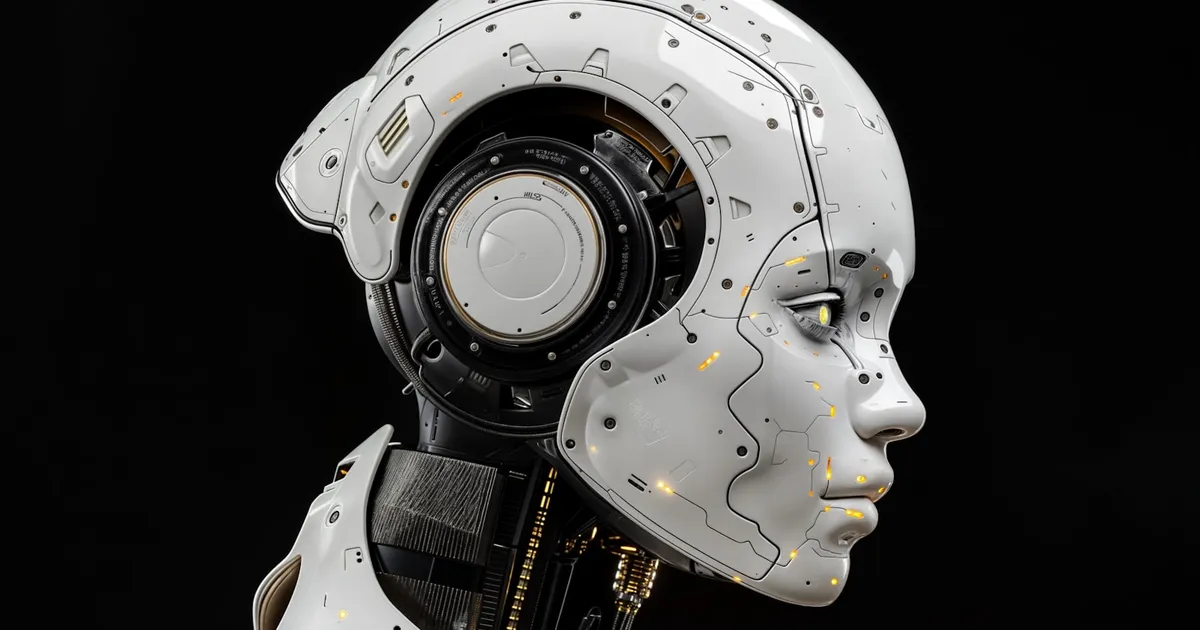
Chinese electric-vehicle maker XPeng has raised more than $900 million for its robotics business in the unit’s first external funding round, at a post-money valuation of over $6.3 billion, the company said on August 24, 2026. XPeng described the financing as the largest single private round ever recorded in China’s embodied-AI industry — a signal of how fast capital is rotating from autonomous driving toward humanoid robots, and of how seriously Chinese carmakers are treating “physical AI” as their next arena.
The round was led by IDG Capital, with participation from Gaorong Ventures and strategic investments from Tencent and Alibaba. According to figures disclosed alongside the deal, outside backers including Alibaba, Tencent, and IDG contributed a combined $600 million, while XPeng itself pledged $200 million. XPeng will retain controlling ownership of the robotics business, which will continue to be consolidated into the parent company’s financial statements.
Where the money goes: IRON
The capital is earmarked for XPeng’s flagship humanoid, IRON. The proceeds will fund research and development, Physical AI model development, mass-production facilities, and commercial expansion.
IRON is a full-size bipedal humanoid built around unusually high mechanical dexterity. XPeng says the robot has 76 degrees of freedom across its body and 21 degrees of freedom in each hand — figures that matter because dexterity, not locomotion, is the harder problem for humanoids intended to do useful work. A robot that can walk is a demo; a robot with human-like hands that can manipulate arbitrary objects is a product.
The timeline is aggressive. XPeng expects IRON to enter mass production by the end of 2026, with initial deployments in its own retail stores and campuses before a broader commercial rollout. The company is targeting deliveries in China and overseas markets in 2027. Putting robots into its own showrooms first is a familiar playbook — it gives XPeng a controlled environment to gather data and refine the “physical AI” models before selling to third parties.
The number that got overshadowed
The financing landed on a complicated day for XPeng shareholders. The robotics valuation was announced alongside the company’s second-quarter results, which missed expectations, and XPeng’s U.S.-listed shares fell roughly 7% in the session. Chinese EV peers moved lower in sympathy, with NIO down about 4% and Tesla slipping as well.
The split reaction captures the tension in the story. The core car business is fighting a brutal price war in China’s EV market, where margins are thin and volume growth no longer guarantees profit. A $6.3 billion robotics valuation is a bet on the future; a quarterly earnings miss is the present. Investors, at least on the day, weighed the present more heavily.
That is a recurring pattern across the humanoid space. The narrative — that general-purpose robots will become a trillion-dollar market — is compelling, but the economics of humanoid robots remain unproven, and near-term cash still comes from the legacy business funding the moonshot.
A crowded, well-funded field
XPeng is entering a race that has grown crowded fast. Chinese robot makers have been scaling shipments aggressively; earlier this year we covered how AgiBot overtook Unitree in humanoid-robot shipments, and how Unitree tapped the public markets with a STAR Market IPO. The sector’s fundraising has been part of a broader rebound in Chinese venture funding into AI and robotics, as domestic investors and strategic corporates pour money into what Beijing has flagged as a priority technology.
Internationally, the competitive set includes Tesla’s Optimus program, Agility Robotics — which is going public via SPAC — and a wave of research pushing whole-body control, such as Google DeepMind’s Gemini Robotics work. What distinguishes the current XPeng round is scale: $900 million in a single tranche is more than many humanoid startups have raised in their entire history, and it comes with the manufacturing muscle of an established automaker attached.
That manufacturing base is XPeng’s real edge. Building humanoids at volume requires actuators, sensors, battery systems, and assembly expertise — much of it shared with EV production. A carmaker that already runs high-volume lines, sources components at scale, and operates its own retail network starts several steps ahead of a pure-play robotics startup. The strategic checks from Tencent and Alibaba add cloud, AI, and distribution reach on top of that.
Why “physical AI” is the framing
XPeng, like most of its rivals, is careful to describe IRON as a physical AI platform rather than a piece of hardware. The distinction is strategic. The mechanical body is the commoditizable part; the durable moat, if there is one, is the software that lets a robot perceive an unstructured environment and act in it reliably. That software is trained on data — and data is where an automaker with vehicles, factories, and stores has a structural advantage over a startup working from scratch.
The logic mirrors the autonomous-driving playbook that XPeng and its peers spent the last decade running. Fleets of cars generated the road data that trained self-driving models; now fleets of robots, deployed first in the company’s own controlled settings, are meant to generate the manipulation and navigation data that trains embodied-AI models. Whoever accumulates the most high-quality interaction data fastest may compound an advantage that is hard to buy. That is part of why the round is sized to fund not just factories but model development — the capital is buying a data-and-training flywheel, not only a production line.
There is a national dimension too. Beijing has designated humanoid robotics and embodied intelligence as strategic priorities, and Chinese firms are racing to build a domestic supply chain for the actuators, reducers, and sensors humanoids require. A round of this size, backed by the country’s largest internet companies, advances that industrial-policy goal as much as it advances XPeng’s commercial one.
What it means
The XPeng round is best read as three things at once.
It is a vote of confidence in “physical AI” from China’s biggest tech investors. When IDG leads and both Tencent and Alibaba write strategic checks into a single round, it reflects a shared conviction that humanoids are the next platform — and a desire not to be left out of it. The $6.3 billion valuation, and the “largest embodied-AI round in China” framing, are as much a statement of intent as a financial mark. Expect rival Chinese automakers and tech giants to respond with rounds and programs of their own.
It is a structural bet by a carmaker under pressure. XPeng’s decision to keep control of the robotics unit while raising outside capital lets it fund an expensive R&D program without ceding the upside — and without fully burdening the parent’s stressed balance sheet. But the same-day earnings miss is a reminder that the car business has to keep the lights on while IRON scales. The market’s 7% haircut says investors want to see the core business stabilize before they pay up for the robot dream.
The execution risk is now the whole story. XPeng has set a hard target: mass production by the end of 2026, deliveries in 2027. Humanoid timelines have a long history of slipping, and “mass production” can mean anything from hundreds to hundreds of thousands of units. The specifics to watch are concrete — reported production volumes, the price point IRON ships at, whether the in-store deployments graduate to paying third-party customers, and gross margins once units are actually being sold. A well-funded program with a credible manufacturing base has cleared the capital hurdle. The next 18 months will show whether it can clear the far harder hurdle of building a genuinely useful robot at a price the market will pay.
Keep reading
 Chisato · · 7 min read
 Veeda AI Raises $90M+ Seed for Physical-AI World Models
Ex-Nvidia AI research VP Sanja Fidler's stealth startup Veeda has raised over $90M in seed funding from Khosla and Radical to build world models for robots.

 Kurumi · · 6 min read
 Starcloud Raises $250M for Orbital AI Data Centers
Starcloud raised $250M at a $2.3B valuation, with Nvidia joining, to build AI data centers in orbit. Why space compute is drawing capital now.
 Chisato · · 5 min read
 Higgsfield $400M Series B: AI Video Hits $5.4B
AI video startup Higgsfield raised $400M at a $5.4B valuation, led by DST Global with Goldman and Intel. Revenue hit $700M annualized, up from $20M a year earlier.