Nvidia Stock Falls on Jensen Huang Probe: What to Know
Nvidia shares fell 4.3% Monday and 5.5% Tuesday as its board investigated CEO Jensen Huang's ties to an alleged Chinese spy. Lawsuit, risks and what's next.
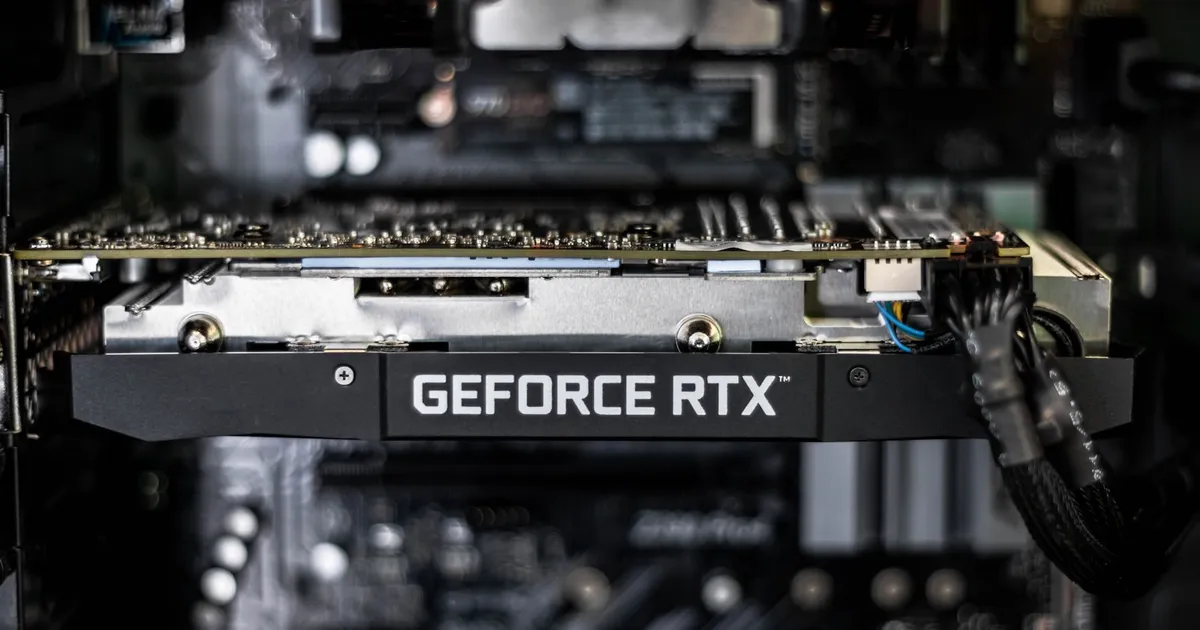
Nvidia shares fell for a second straight session on Tuesday, November 10, 2026, after the company’s board opened an independent investigation into Chief Executive Jensen Huang’s relationship with a woman U.S. officials reportedly suspect of passing information to Beijing. The stock closed down 5.47% on Tuesday after a 4.27% drop on Monday, leaving it at its lowest level since late March. According to market coverage, Nvidia’s market value briefly slipped below $4 trillion during the selloff.
The two-day slide came as a shareholder class action was filed against the company and Huang. A hotter-than-expected inflation report on Tuesday added to the pressure on chip stocks.
What the board is investigating
Nvidia said on Sunday, November 8, that its board was investigating reports that Huang had been the target of a foreign intelligence effort. A committee of independent directors, working with outside counsel, will lead the review. In its statement, the board said it had no reason to believe national security or Nvidia’s confidential information had been compromised, but that the inquiry would examine all available information.
Huang admitted to an extramarital affair in an internal email to employees and apologized, according to multiple reports. He said he would cooperate fully with the review and gave no further details of the relationship. He remains chief executive.
The woman at the center of the reports is Alice Huang, an executive at Megaspeed, an Nvidia customer. Reports in The New York Times and the Financial Times said U.S. intelligence agencies are concerned she has been passing information to China. The Times first reported on the relationship on October 9. Megaspeed has bought more than $4.8 billion of Nvidia chips over about two years, according to the Associated Press, and officials have looked into whether the company helped Chinese firms obtain advanced Nvidia processors in breach of export controls.
Nvidia has said it found no evidence of chip diversion and that it physically counted the GPUs deployed at Megaspeed’s sites. Neither Alice Huang nor Megaspeed has been charged with any offense. China’s Foreign Ministry called the “so-called Chinese spy narrative” unsubstantiated.
The shareholder lawsuit
Rosen Law Firm announced on Monday, November 9, that it had filed a proposed class action in federal court in San Jose, California, naming Nvidia and Huang as defendants. The 17-page complaint brings a securities fraud claim under Section 10(b) of the Securities Exchange Act against both, plus a control-person claim against Huang.
The suit alleges the defendants concealed Huang’s ties to Alice Huang and played down the related national security risks. The proposed class covers investors who bought Nvidia shares between October 9, when the Times story ran, and November 8, when Nvidia announced the board review.
Suits like this often follow sharp single-stock drops, and many are dismissed or settled for amounts that are small next to a company’s market value. Some commentators said the damages exposure is the least of Nvidia’s risks, and that export-control scrutiny and the question of Huang’s future matter more.
How the market traded it
Tuesday’s drop came on a weak day for the whole market. The Nasdaq Composite fell about 0.7%, the S&P 500 lost nearly 0.4%, and the Dow slipped about 0.3%, as a hot consumer price report raised the odds of a rate hike. Chip stocks led the decline.
The selloff added to a rough stretch for semiconductors. The sector was already down sharply after the Nasdaq’s worst day since 2025 on November 5, when midterm election results and weak outlooks from Qualcomm and Arm hit the AI trade. Goldman Sachs analyst James Schneider said semiconductors were now clearly in oversold territory.
Asian chipmakers moved the other way overnight. SK Hynix rose 5.2% and Samsung Electronics gained 3.9% in Seoul, a rebound some traders tied to the view that Nvidia’s problems are about one company rather than AI demand.
The key-person question
Analysts’ main concern is leadership. Huang co-founded Nvidia in 1993 and has run it ever since. He sets its product roadmap and handles its biggest customer and government relationships, including talks over China export licenses.
Dan Ives of Yorkville said he expects Huang to stay on as CEO with no near-term interruption. Other analysts pointed out that although Huang is Nvidia’s largest individual shareholder outside investment funds, his stake does not protect him from removal if the board decides to act. One research firm estimated that the board review could take four to six weeks.
The export-control angle is the bigger regulatory risk. Washington has spent the past year tightening rules on advanced chip sales to China, including limits on remote access to AI compute. Any finding that a large customer helped move restricted chips into China could bring new pressure on Nvidia’s licensing, whatever the board concludes about Huang himself.
How board reviews like this usually run
Independent board reviews of CEO conduct follow a familiar pattern. A special committee of directors with no management ties hires outside lawyers, who interview executives, review emails and messages, and report back to the committee. The committee then decides whether to recommend action, which can range from no change to tighter oversight to a leadership change. Companies are not required to publish the findings, and many release only a short summary.
This review has an extra layer. Its central question goes beyond personal conduct to whether a foreign intelligence service used a personal relationship to get close to the head of the world’s most important AI chip supplier. That puts the board’s work alongside any inquiries by U.S. agencies, which do not answer to the board and may run on their own schedule. Nvidia has not said whether it has been contacted by federal investigators, and no agency has publicly confirmed an investigation of the company.
For investors, that means two separate clocks. The board’s review could finish within weeks. Any government action on Megaspeed or export controls could take much longer, and it would not depend on what the board decides.
What comes next on the calendar
Nvidia is due to report fiscal third-quarter results later this month. Its last report in August showed data-center revenue still growing quickly. The upcoming call is now likely to be dominated by questions about governance and the board review rather than demand.
Applied Materials reports on Thursday, with Wall Street expecting about $10.3 billion in revenue. Investors will read it as a check on whether AI-related spending on chipmaking equipment is holding up.
What it means
The selloff is about governance and key-person risk, not demand. Nothing reported so far points to weaker orders for Nvidia’s accelerators, and the board has said it has no reason to believe secrets were compromised. But Nvidia’s valuation rests on the assumption that the team that built its lead will keep executing, and Huang is central to that assumption.
Who is exposed. Nvidia shareholders carry the uncertainty for at least the length of the review. Megaspeed and other Asian distributors of Nvidia hardware face harder scrutiny of where their chips end up. Every chip company that sells into gray-market-adjacent regions should expect tougher questions from regulators.
Who could gain. If Nvidia’s governance problem drags on, AMD and custom-chip suppliers such as Broadcom get more attention from hyperscalers that want to spread their supplier risk. Memory makers such as SK Hynix and Samsung, which sell to everyone, look relatively insulated.
What to watch. The scope of the board’s findings and whether it releases them. Any statement from the Commerce Department or Justice Department on Megaspeed. Nvidia’s earnings call, and whether management takes questions on the probe. And the stock’s reaction if Huang’s role changes at all, even temporarily. If the review ends quickly and cleanly, the drop may look like an overreaction. A long, open-ended review is the outcome the market is pricing in.
Tagged
Keep reading

 Kurumi · · 5 min read
Nasdaq Plunges 5%: Nvidia SEC Probe, S&P 500 Correction
The Nasdaq fell 5.28% on Nov. 20 and the S&P 500 and Dow entered correction as Nvidia sank 14% on a reported SEC accounting probe. What drove the rout.
 Kurumi · · 6 min read
Jensen Huang Resigns as Nvidia CEO: Kress, Stock, Earnings
Jensen Huang resigned as Nvidia CEO and CFO Colette Kress took over on an interim basis. What happened, how the stock traded, and what to watch on Nov. 17.
 Kurumi · · 7 min read
Nasdaq Worst Day Since 2025: Why Chip Stocks Crashed
The Nasdaq fell about 5.5% and the chip index lost over 12% on Nov. 5 as midterm results and weak Qualcomm and Arm outlooks hit the AI trade. What happened.