Jensen Huang Resigns as Nvidia CEO: Kress, Stock, Earnings
Jensen Huang resigned as Nvidia CEO and CFO Colette Kress took over on an interim basis. What happened, how the stock traded, and what to watch on Nov. 17.
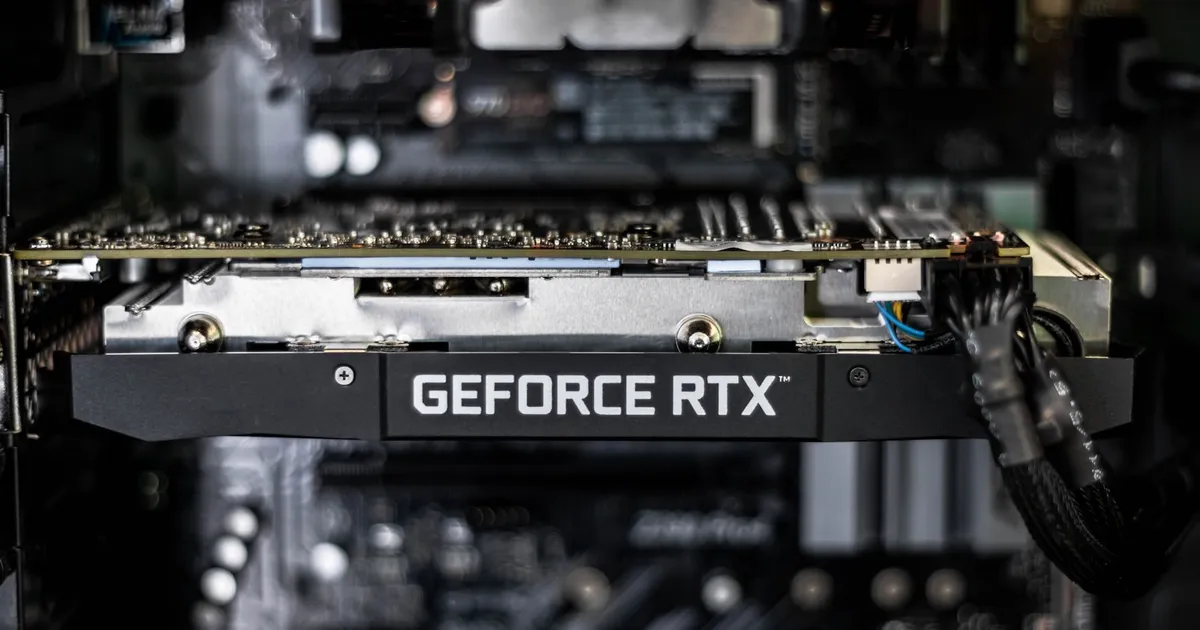
Jensen Huang has resigned as president, chief executive and a director of Nvidia, ending a 33-year run at the head of the company he co-founded in 1993. Nvidia announced the move on Thursday, November 12, 2026, and said the resignation was effective immediately. A regulatory filing said the board accepted it on Wednesday.
Chief Financial Officer Colette Kress is now interim CEO. She keeps her roles as CFO and executive vice president while the board searches for a permanent successor. Nvidia also named independent director Harvey C. Jones as the company’s first-ever board chair. Until now, Huang had run the board as well as the company.
The resignation came four days after Nvidia disclosed a board investigation into Huang’s relationship with a woman U.S. officials reportedly suspect of passing information to China. Nvidia reports quarterly results on Tuesday, November 17. That makes Kress’s first week in the job also its biggest scheduled event.
How it unfolded
The sequence ran over about five weeks:
- October 9: The New York Times reported on Huang’s relationship with Alice Huang (no relation), an executive at Megaspeed, a Singapore-based Nvidia customer that has bought more than $4.8 billion of the company’s chips since June 2024.
- November 8: Nvidia said a committee of independent directors, working with outside counsel, would investigate reports that Huang had been the target of a foreign intelligence effort. Huang admitted to an extramarital affair in a note to staff and apologized. The board said it had “no reason to believe” national security or confidential company information had been compromised.
- November 9–10: Nvidia shares fell 4.27% and 5.47% on consecutive days, and a proposed shareholder class action was filed in San Jose. We covered that selloff and the lawsuit here.
- Later that week: Reports identified a second relationship, with Kimberly Powell, Nvidia’s vice president of healthcare. Reuters reported that the board met to consider whether to remove Huang.
- November 12: Nvidia announced the resignation. No removal vote has been reported.
Within hours, Reuters reported a third relationship, with another Nvidia employee, citing two people familiar with the matter. Reuters did not identify the woman or describe her role. Huang and the board did not respond to the agency’s requests for comment.
China’s Foreign Ministry has called the spy allegations unsubstantiated. Neither Alice Huang nor Megaspeed has been charged with any offense. Nvidia has said it physically counted the GPUs deployed at Megaspeed’s sites and found no evidence of chip diversion.
How the stock traded
The resignation hit the stock hard at first, but most of the early loss was gone by the close.
- Thursday, November 12: Nvidia opened down about 11%, and some reports put the low near 14%. It closed down 4.34%.
- Friday, November 13: The shares fell another 2.01%. Nvidia closed below a $4 trillion market value for the first time since July 2025, and in early trading on Thursday it had slipped behind Microsoft by market value.
- The week: Nvidia lost 12.75% over the five sessions, its sixth straight weekly decline. One tally puts the loss in market value from the stock’s peak at about $1.76 trillion.
Rival chipmakers rose on Thursday, according to market coverage. Earlier in the week, Seoul memory makers SK Hynix and Samsung Electronics had also gained. Traders read that move as a bet that Nvidia’s problem is about governance, not AI demand. Chip stocks were already under pressure before the scandal, after the Nasdaq’s worst day since 2025 on November 5.
Who is Colette Kress
Kress joined Nvidia as CFO in 2013 after finance roles at Cisco, Microsoft and Texas Instruments. She has been the company’s main voice to investors through the data-center boom. She delivers the financial part of each earnings call and often answers the toughest analyst questions on supply, margins and China.
Early coverage of her first days points to a possible change in tone with big customers. One report described Kress as tougher on OpenAI than Huang had been. That matters because Nvidia’s deals with OpenAI include equity stakes, financing support and long-term capacity commitments. Nvidia has not announced any change to those agreements.
According to the filing, the board “is initiating a search for a permanent Chief Executive Officer and will consider internal and external candidates.” It gave no timeline. A group of investors wrote to the directors urging a “slow, measured, and deliberate process” on the company’s leadership.
Pressure from outside the boardroom
Huang’s departure has not ended scrutiny of him or the company in Washington.
Senator Tim Scott, chairman of the Senate Banking Committee, sent letters asking Huang and Commerce Secretary Howard Lutnick to testify at a public hearing on December 3. He said the committee was prepared to issue subpoenas if they declined. Three House panels, Foreign Affairs, the Select Committee on the CCP and Intelligence, have asked Huang for a closed-door interview. Their chairs cited “clear national security concerns” involving Huang, Nvidia and Megaspeed. Reports say Huang has signaled he will appear. One report says Nvidia general counsel Tim Teter has been asked to appear on December 2. Reported dates differ between outlets, and the committees have not published final schedules.
There is also a public campaign to bring Huang back. A Change.org petition asking the board to reinstate him had passed 135,000 signatures by Sunday, according to Benzinga, and other counts put it higher. Elon Musk said on X that he had signed it. Some Nvidia employees reportedly signed as well. The petition’s page says it is not affiliated with Nvidia or Huang, and its authenticity has been questioned.
What Tuesday’s earnings need to show
Nvidia reports fiscal third-quarter 2027 results on November 17, with the call at 2 p.m. Pacific. The company guided to about $108 billion in revenue. LSEG consensus is around $109.2 billion, with adjusted earnings of $2.48 a share, according to figures cited by IG.
In August’s report, data-center growth was strong and customers’ spending plans were still rising. Analysts expect the numbers to be solid again, because this quarter’s orders were placed months ago. The questions on the call are likely to be about other things:
- Guidance for the January quarter, the first full quarter under interim leadership.
- Customer commitments, and whether any hyperscaler or AI lab has changed orders or terms since November 8.
- China and export licensing. Huang personally handled negotiations over China sales, and the Megaspeed questions bear directly on Nvidia’s standing with export regulators.
- The board review, including whether it will continue now that Huang has left and whether any findings will be published.
What it means
For Nvidia, the near-term business risk is lower than the share price suggests. The roadmap through Rubin is set, supply is booked, and Kress knows customers and investors well. Few interim CEOs start with that much credibility in the job. The longer-term risk is real. Huang’s value came from technical direction and from personal relationships with heads of state, hyperscaler chiefs and AI lab founders. A finance executive cannot easily replace those, and an outside hire would have to build them from scratch.
The governance changes may be the most lasting result. Nvidia now has a separate board chair and an open CEO search. Those are standard practice at most companies of its size, and investors who wanted more oversight are getting it.
The likely winners in the short run are AMD, Broadcom and the custom-silicon programs at the big clouds. They can now pitch customers on supplier stability, and a pause in Nvidia’s dealmaking would give them more room. The losers include anyone counting on Nvidia’s unusually aggressive balance-sheet support for AI buildouts, which was largely Huang’s strategy.
What to watch: the tone of Tuesday’s guidance and Kress’s answers on customer behavior; whether the board names a search firm or shortlist; whether the board review is completed and its findings made public; and the December congressional appearances. Those hearings could turn a corporate governance story into a fight over export controls, with consequences for Nvidia whatever happens to Huang.
Tagged
Keep reading

 Kurumi · · 5 min read
Nasdaq Plunges 5%: Nvidia SEC Probe, S&P 500 Correction
The Nasdaq fell 5.28% on Nov. 20 and the S&P 500 and Dow entered correction as Nvidia sank 14% on a reported SEC accounting probe. What drove the rout.
 Kurumi · · 6 min read
Nvidia Stock Falls on Jensen Huang Probe: What to Know
Nvidia shares fell 4.3% Monday and 5.5% Tuesday as its board investigated CEO Jensen Huang's ties to an alleged Chinese spy. Lawsuit, risks and what's next.
 Kurumi · · 7 min read
Nasdaq Worst Day Since 2025: Why Chip Stocks Crashed
The Nasdaq fell about 5.5% and the chip index lost over 12% on Nov. 5 as midterm results and weak Qualcomm and Arm outlooks hit the AI trade. What happened.