Intel Q3 2026 Earnings: Why the Stock Fell 28%
Intel beat Q3 2026 estimates with $16.5B in revenue, but a weak Q4 outlook, a Fab 28 explosion and PC weakness drove its worst trading day since 1974.
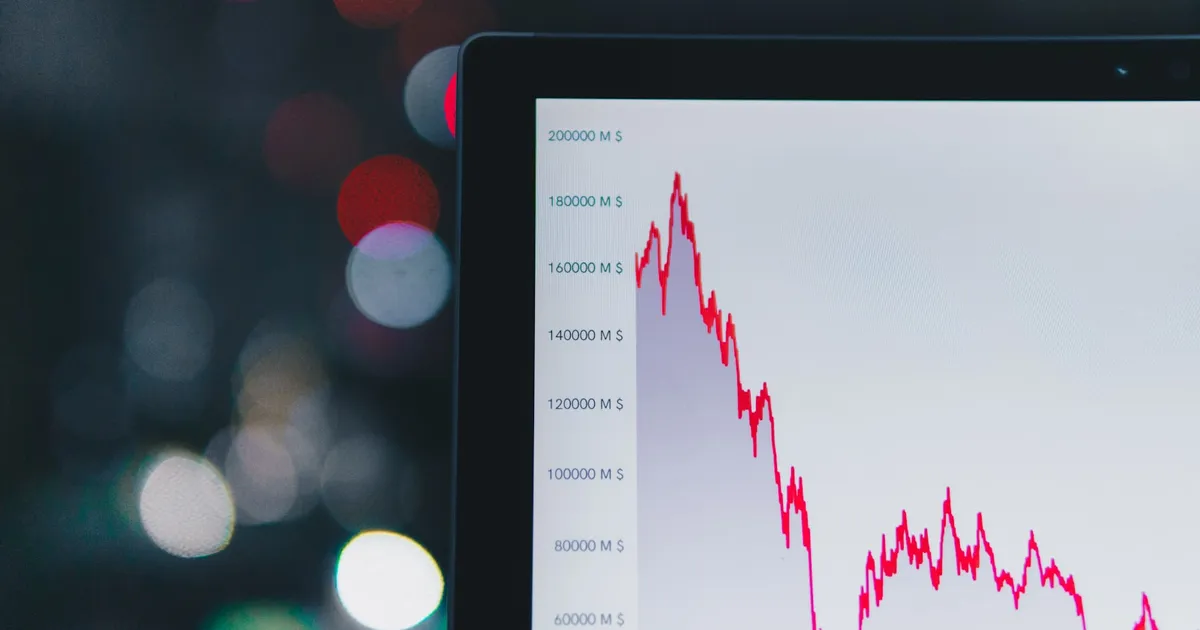
Intel beat Wall Street’s estimates for the third quarter and still suffered one of the worst trading days in its history. Shares fell about 28% on Friday, October 30, 2026, closing near $65.92, according to Benzinga, after the chipmaker’s fourth-quarter outlook landed well short of expectations. Yahoo Finance reported the stock was down about 30% at its intraday low, which would surpass the 29.9% decline recorded on July 5, 1974 and make Friday Intel’s worst day on record by its calculations.
The selloff wiped out a large share of a rally that had carried Intel to $92.07 at Thursday’s regular-session close, and it spread across the semiconductor group. Benzinga estimated that chip stocks lost roughly $1 trillion in combined market value on the day, with Nvidia, Intel, AMD, TSMC and Broadcom accounting for about 60% of the losses.
The quarter: a beat on both lines
Intel reported results after the close on Thursday, October 29. According to the company’s earnings release filed with the SEC:
- Revenue was $16.5 billion, up 21% year over year.
- Non-GAAP earnings per share were $0.52.
- Both figures came in ahead of analyst consensus, according to Investing.com.
The growth came almost entirely from the data center. Data Center and AI revenue reached $7.3 billion, up nearly 80% from a year earlier, according to the earnings call transcript published by Benzinga. Intel’s investor slides described it as record data center growth.
The PC side moved the other way. Client Computing Group revenue fell 9% sequentially to $8.1 billion, according to the call transcript.
CEO Lip-Bu Tan told analysts that third-quarter demand was more balanced than in prior quarters and that data center momentum reflects a broader shift in how computing demand is being allocated, according to the Investing.com transcript.
The quarter extended a run that began in July, when Intel reported second-quarter revenue of $16.1 billion and shares jumped more than 13%, as covered in our Intel Q2 2026 earnings report.
The guidance: a $1 billion step down
The problem was the fourth quarter. Intel guided to:
- Revenue of $15.0 billion to $16.0 billion
- Non-GAAP EPS of $0.25
Analysts had expected about $17.05 billion in fourth-quarter revenue, according to Benzinga. The midpoint of Intel’s range, $15.5 billion, is about $1 billion below the quarter it just reported and roughly $1.5 billion below consensus. The EPS guide is less than half the third-quarter figure.
Jefferies described the fourth-quarter outlook as a “substantial” reset, according to Stocktwits. Citi called the quarter a “strong beat” but the outlook “weak,” citing the Fab 28 shutdown and softer PC demand.
Fab 28: an explosion in Israel
A significant part of the shortfall traces to Fab 28, Intel’s manufacturing site in Kiryat Gat, Israel. Management said on the call that an incident at the facility would carry roughly $300 million in fourth-quarter revenue impact and about 200 basis points of gross margin pressure, according to the Benzinga transcript.
According to TradingKey’s report, the incident was an explosion that killed two workers and shut the plant for roughly two weeks. Yahoo Finance reported that Intel expects a revenue impact of a similar size in the first quarter of 2027.
Intel did not attribute the entire guidance gap to Fab 28. Even adding back the $300 million, the fourth-quarter midpoint would still sit below both the third quarter and Wall Street’s forecast.
PCs and supply: the other two weights
The second factor is the PC market. Yahoo Finance reported that Intel expects PC shipments to decline around 12% in 2026 and a further 10% in 2027, according to analyst commentary following the call. One analyst cited by Yahoo described a “PC slowdown continuing at least through the first half of next year.”
The slump is tied in part to component costs. Memory prices have climbed sharply through 2026 as AI data centers absorb DRAM and NAND supply, which has pushed up the cost of building consumer PCs and laptops. Weak client demand matters more to Intel than to most rivals, because the client segment still accounts for roughly half of its revenue.
The third factor is supply. Cantor Fitzgerald cut its price target to $90, citing shortages of memory, wafers and substrates. Yahoo Finance reported that supply constraints on Intel’s server processors are expected to last through the first half of 2027, which caps how quickly data center demand can be turned into revenue.
Analyst actions
Downgrades and target cuts followed on Friday morning:
- Bank of America downgraded Intel to Neutral and cut its price target to $100 from $145.
- Cantor Fitzgerald lowered its target to $90.
- Jefferies and others trimmed targets while describing the guidance as a reset rather than a break in the data center story.
The August 2024 decline of roughly 26%, which followed a dividend suspension and mass layoffs, now ranks as Intel’s third-worst day, according to Yahoo Finance.
The broader chip selloff
Intel did not fall alone. The report landed during a week in which several large technology companies disappointed investors, and the Nasdaq Composite fell nearly 3% on Friday, according to Yahoo Finance’s market wrap. Sandisk declined despite beating its own first-quarter estimates, as investors questioned whether memory pricing is near a peak.
The move follows a volatile month for chip shares. Earlier in October, a crash in South Korea’s Kospi and stress in AI infrastructure credit markets hit memory and AI hardware names, as covered in our report on the Kospi crash and CoreWeave bonds.
Where Intel stood coming in
Intel entered the report as one of the best-performing large-cap chip stocks of 2026. The company has been financing its foundry buildout and manufacturing expansion with outside capital, including a large equity raise covered in Intel’s $15 billion stock offering. The rally into Thursday’s close priced in continued acceleration; the guidance indicated a pause instead.
Benzinga also noted an accounting wrinkle: the share-price collapse could add billions to Intel’s reported GAAP profit through non-cash remeasurement items, a reminder that GAAP earnings in coming quarters may move in ways unrelated to operating performance.
What it means
The data center story is intact; the rest of the business is not keeping pace. Data Center and AI revenue growing near 80% is the strongest evidence yet that Intel’s server CPUs have a real place in AI infrastructure, where general-purpose processors handle orchestration, data preparation and agent workloads around accelerators. But Intel remains a company that earns about half its revenue from PCs, and a two-year PC decline driven by memory costs is a structural drag that data center growth cannot fully offset in the near term.
The market punished the reset more than the miss. A $1.5 billion gap to consensus is meaningful but not catastrophic for a company with $16.5 billion in quarterly revenue. The size of the drop reflects how much optimism had been priced in. A stock trading near record levels on a turnaround narrative has little cushion when the narrative pauses.
Fab 28 is a one-time hit with a two-quarter tail. The roughly $300 million impact in each of the fourth and first quarters should fade, but the incident adds an operational risk to Intel’s manufacturing story at a time when it is courting outside foundry customers who weigh reliability heavily.
Supply constraints are the most important number to track. If server CPU shortages persist through mid-2027 as reported, Intel will leave revenue on the table during the strongest data center demand cycle in its history. Watch for updates on substrate and wafer availability, any change to the Fab 28 restart timeline, and whether PC makers raise prices further or cut builds in the first quarter.
Winners and losers. AMD faces the same PC headwind but has less client exposure as a share of revenue; Arm-based PC chipmakers face the same memory-cost problem. Server CPU buyers face tighter supply. Intel shareholders who bought the 2026 rally are absorbing the reset, while the company’s January report will determine whether Friday was a reset or the start of a longer de-rating.
Tagged
Keep reading
 Kurumi · · 6 min read
Intel Q2 2026 Earnings: Revenue Up 25%, Stock Pops
Intel Q2 2026 revenue rose 25% to $16.1B and shares jumped ~13%. Data Center grew 59%, foundry 31%, but a CHIPS-tied charge drove an $11B GAAP loss.
 Kurumi · · 6 min read
Intel Q2 2026 Earnings Preview: What to Watch
Intel reports Q2 2026 earnings July 23 after a 163% YTD run. Consensus is $14.4B revenue and $0.22 EPS. What to watch on 18A foundry, margins, and guidance.
Kurumi · · 6 min read TSMC Q3 2026 Earnings: Record Revenue, Margin Dip, Outlook
TSMC reported $46.7B in Q3 revenue and a 68.7% profit jump, guided Q4 to $52.3–54.3B, yet shares fell as gross margin slipped to 66.4%.