TSMC Q3 2026 Earnings: Record Revenue, Margin Dip, Outlook
TSMC reported $46.7B in Q3 revenue and a 68.7% profit jump, guided Q4 to $52.3–54.3B, yet shares fell as gross margin slipped to 66.4%.
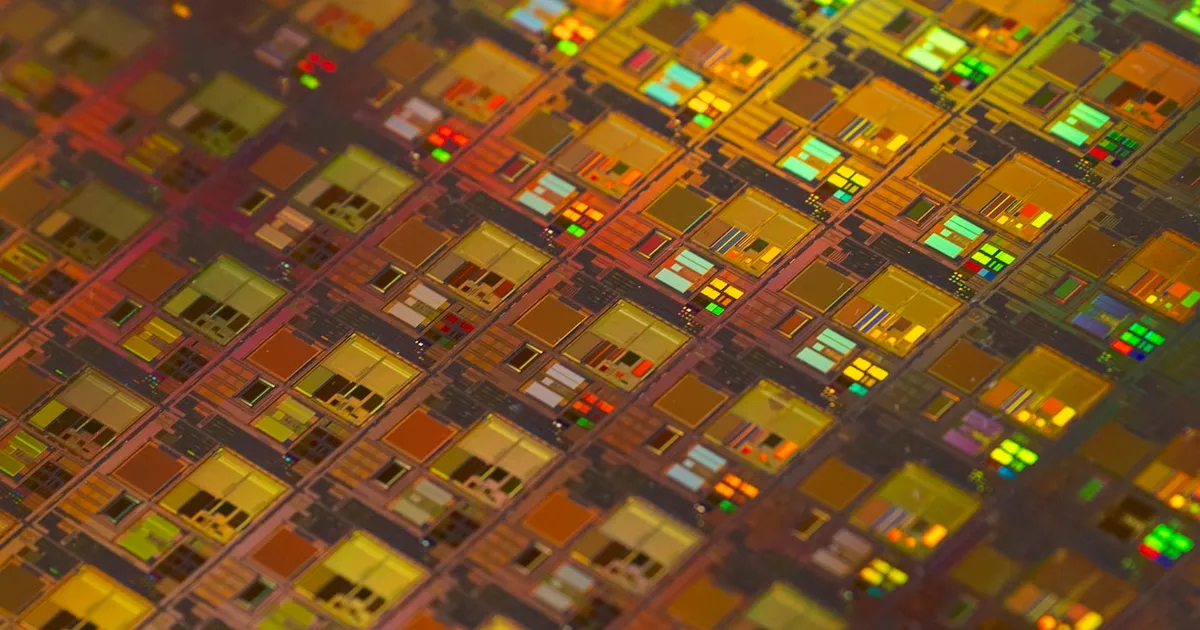
Taiwan Semiconductor Manufacturing Company reported another record quarter on Thursday, October 15, 2026, beating the top end of its own revenue guidance and posting a near-70% jump in net profit on demand for AI accelerators. Investors sold the stock anyway. A sequential dip in gross margin, a market already rattled by hot U.S. inflation data, and a broad selloff in chip and AI-infrastructure names combined to push TSMC’s U.S.-listed shares lower on the day.
The quarter, by the numbers
According to TSMC’s third-quarter filing and earnings presentation, the foundry delivered:
- Revenue: NT$1.49 trillion, or about US$46.7 billion. In U.S. dollar terms that is up roughly 41% from $33.1 billion a year earlier and about 16% from Q2’s $40.2 billion. The figure cleared the $44.6 billion to $45.8 billion range management guided in July.
- Net income: NT$763.06 billion, up 68.7% year over year and a new quarterly record.
- Diluted EPS: NT$29.43.
- Gross margin: 66.4%, inside the company’s guided 65% to 67% range but down 130 basis points from 67.7% in Q2.
- Operating margin: 58.7%.
On the surface, it was the kind of report that has repeatedly lifted the semiconductor sector over the past two years. Revenue landed above the ceiling of guidance for a second straight quarter, and profit growth continued to outrun sales growth as high-priced leading-edge wafers made up a larger share of the mix.
Why the margin is the story
The number that moved the stock was the margin. Gross margin has been the market’s shorthand for TSMC’s pricing power, and Q2’s 67.7% set a high bar. Q3’s step down to 66.4% was well telegraphed by guidance, but in a tape looking for reasons to sell, the direction mattered more than the level.
On the earnings call, management attributed the pressure mainly to two factors:
- The 2nm ramp. New process nodes carry heavy depreciation and lower yields in their early quarters, diluting margins until volumes mature. Chief Executive C.C. Wei described the “steep ramp-up” of the company’s 2nm technology as a key driver for the fourth quarter. An independent analysis of the presentation put N2 at roughly 8% of wafer revenue in Q3, though TSMC’s own node breakdown should be the reference point for that figure. For background on how nodes are named and why each transition is expensive, see our explainer on semiconductor process nodes.
- Overseas fabs. Factories in Arizona, Japan, and Germany cost more to run than TSMC’s Taiwan base. Management said it now expects overseas dilution to be closer to 2% of gross margin for full-year 2026. The Arizona buildout in particular has expanded sharply this year, as we covered in TSMC’s $100 billion Arizona expansion.
Q4 guidance: another big step up
TSMC’s outlook for the final quarter of the year signals that demand has not cooled. The company guided:
- Revenue: $52.3 billion to $54.3 billion, implying about 14% sequential growth at the midpoint.
- Gross margin: 65% to 67%.
- Operating margin: 56.5% to 58.5%.
At the midpoint, Q4 revenue of about $53.3 billion would be another record and would put second-half 2026 revenue near $100 billion. The margin range, however, is flat with Q3’s and leaves room for a further sequential slip — a point several analysts flagged in post-call notes.
Capex stays at the raised level
TSMC held its 2026 capital expenditure budget at $60 billion to $64 billion, the range it set in July when it lifted spending from the prior $52 billion to $56 billion. That July raise was the headline of the Q2 report, and holding it now signals management sees no reason to slow the buildout.
Wei also told analysts that capital spending across 2026 to 2028 is expected to be significantly higher than over the previous three years, without giving a specific multi-year figure. That comment is consistent with a company preparing capacity for both 2nm and its next-generation nodes, as well as advanced packaging, where AI accelerator demand has repeatedly outstripped supply.
The market reaction
TSMC’s American depositary receipts fell during Thursday’s session, with reported declines ranging from about 2% early in the day to more than 4% at points later, according to market coverage from Schwab and TheStreet. The move came against a hostile backdrop:
- U.S. September CPI, released October 14, showed headline inflation at 3.7%, above forecasts, reviving bets that the Federal Reserve could raise rates again this year.
- South Korea’s Kospi closed down about 7.6% on October 15, its steepest drop in months, as SK Hynix and Samsung Electronics fell roughly 11% and 9%.
- The PHLX Semiconductor Index had already entered correction territory, down more than 10% from its peak the prior week.
- CoreWeave bonds traded at yields near 15%, stoking concern about the debt financing behind the AI data-center buildout.
ASML, which raised its full-year outlook on October 14, also fell about 4% after its report — a sign that strong fundamentals were not enough to offset macro and financing worries across the sector.
How this quarter compares
TSMC has now delivered three consecutive quarters of accelerating dollar revenue in 2026. Q2’s 33.7% year-over-year growth gave way to roughly 41% in Q3, and the Q4 midpoint implies a further acceleration against the year-ago base. Profit growth of 68.7% compares with roughly 77% in Q2, a modest deceleration that tracks the margin pressure rather than any slowdown in volume.
The market’s reaction also echoes July, when chip stocks fell despite TSMC’s beat as investors questioned how much good news was already priced in.
What it means
The fundamentals are not the problem. TSMC beat its own revenue ceiling, posted record profit, and guided to a double-digit sequential increase. Nothing in the report suggests customers are cutting orders for AI accelerators. For anyone watching for an early crack in AI hardware demand, the foundry that makes nearly all of it is not showing one.
Margins are the new battleground. With growth assumed, the market is now grading TSMC on profitability per wafer. The 2nm ramp and overseas fabs are structural drags that will persist into 2027. The question is whether pricing on N2 and advanced packaging can offset them. A Q4 gross margin at the low end of the 65% to 67% range would likely extend the selling; one at the top would reset the narrative.
Winners and losers. Nvidia, AMD, Broadcom, and the hyperscaler custom-chip programs remain the primary beneficiaries of TSMC’s capacity expansion, and Q4 guidance implies their orders are still climbing. The near-term losers are investors who bought the semiconductor trade at last week’s peak: macro forces — inflation, rate-hike odds, and credit stress in the neocloud segment — are currently overwhelming company-level news.
What to watch next:
- TSMC’s October and November monthly revenue reports, which will show whether Q4 is tracking toward the top of guidance.
- The Fed’s October 27–28 meeting, where futures markets have priced meaningful odds of a rate hike.
- Hyperscaler earnings later this month, where capex guidance from Microsoft, Alphabet, Amazon, and Meta will confirm or challenge the demand TSMC is building for.
- Any update on 2027 capex at TSMC’s January report, after Wei’s signal that the next three years will outspend the last three.
Tagged
Keep reading
 Kurumi · · 15 min read
TSMC Q2 2026 Earnings: Record Profit, Capex Raised
TSMC posted $40.2B in Q2 revenue and a 77% jump in net profit on AI chip demand, then raised its 2026 capex to $60–64B. The numbers and what to watch.
Kurumi · · 10 min read TSMC Q2 2026 Earnings Preview: 68% June Revenue Jump
TSMC's June revenue jumped about 68% year over year on AI chip demand, setting up its July 16 Q2 report. Here are the numbers and what to watch.
 Kurumi · · 5 min read
Marvell Q2 Earnings: Record $2.74B, Raised Guidance
Marvell posted record Q2 FY2027 revenue of $2.74B on a 46% data center surge, raised its outlook again, and guided Q3 to $3.15B. The numbers and what they mean.