What Is a Short Squeeze?
A short squeeze happens when rising prices force short sellers to buy back shares to cover, driving the price up further in a feedback loop.
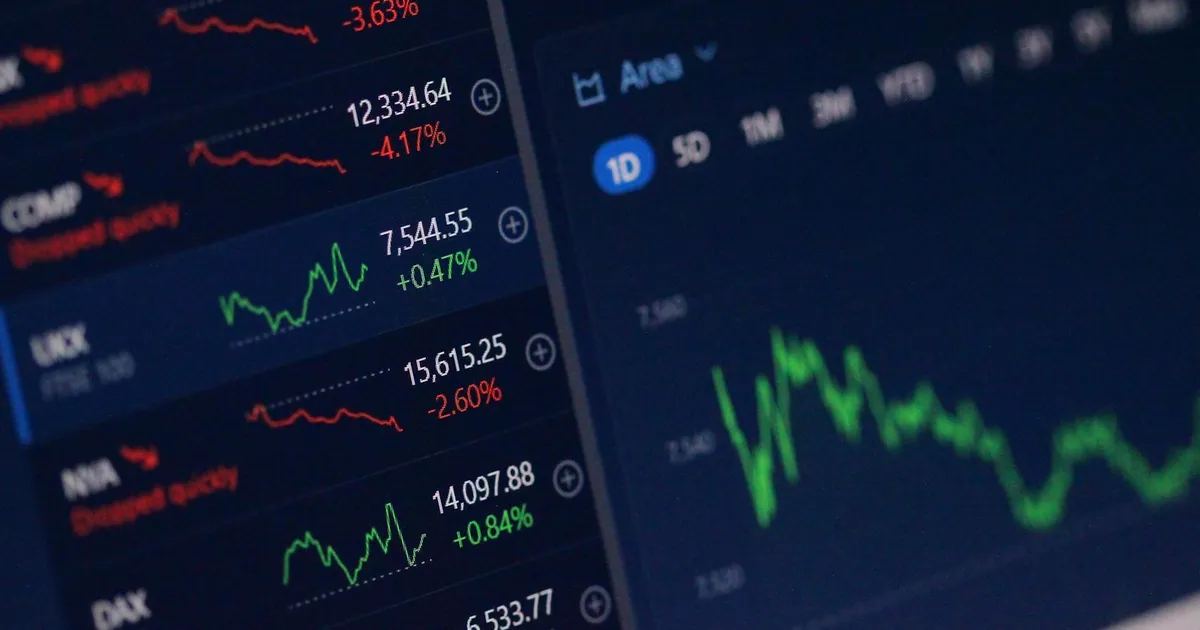
A short squeeze is a rapid, self-reinforcing price spike that happens when short sellers are forced to buy back shares to close out losing positions, and that forced buying pushes the price up even further, forcing more short sellers to do the same thing. It’s a feedback loop, not a single event — and understanding it starts with understanding what a short seller is exposed to in the first place.
Short selling, briefly
Selling a stock short means borrowing shares (typically through a broker) and selling them immediately, with the obligation to buy them back later and return them. The bet is that the price falls before you have to buy back — sell high, buy back low, keep the difference. The critical asymmetry: a long position’s maximum loss is capped at 100% (the stock goes to zero), but a short position’s maximum loss is theoretically unlimited, because there’s no ceiling on how high a stock’s price can rise before you’re forced to cover.
That asymmetry is what makes short positions structurally fragile in a way long positions aren’t, and it’s the mechanism a squeeze exploits.
What triggers the squeeze
A squeeze needs two ingredients: a stock with unusually heavy short interest (a large share of the float sold short relative to how many shares typically trade in a day — often expressed as “days to cover”), and a catalyst that pushes the price up sharply, whether that’s a positive earnings surprise, new coverage, or simply sustained buying pressure. As the price climbs, some short sellers start covering to limit their losses. That covering is itself buying pressure, which pushes the price higher, which triggers more covering. Brokers can also issue margin calls partway through this process — see what a margin call is — forcing shorts to cover involuntarily rather than by choice, which accelerates the loop further.
The dynamic feeds on itself specifically because short covering is buying: unlike a normal seller running out of interest, a short seller who’s losing money has a hard deadline dictated by their margin requirements, not by their opinion of the stock.
Short squeeze vs gamma squeeze
A related but distinct dynamic is a gamma squeeze, which runs through the options market rather than direct short covering. The two often get lumped together because they can happen simultaneously and both produce a sharp upward spike, but the underlying mechanism differs.
| Short squeeze | Gamma squeeze | |
|---|---|---|
| Who’s forced to buy | Short sellers covering borrowed shares | Options market makers hedging their exposure |
| What triggers the forced buying | Rising price and margin calls | Heavy call-option buying, forcing dealers to buy the underlying stock to stay hedged |
| Underlying mechanism | Equity borrowing and covering | Options delta hedging |
| Can happen without heavy short interest | No — requires a large short position | Yes — can occur even with low short interest, driven purely by options volume |
Reading the signals
Two figures are commonly used to gauge how squeeze-prone a stock is: short interest as a percentage of float (the share of tradable shares currently sold short), and days-to-cover (short interest divided by average daily volume — roughly how many trading days it would take for all short sellers to buy back their positions at normal volume). High readings on both mean a large pool of forced buyers could be waiting on the other side of any sustained rally, though neither figure predicts when — or whether — a squeeze actually happens.
The risk on both sides
For short sellers, a squeeze is the tail risk that unlimited-downside exposure exists to warn about: a position sized without respecting that asymmetry can produce losses that dwarf the initial bet. For anyone buying into a stock because it looks squeeze-prone, the risk runs the other way — a squeeze is a liquidity-driven spike, not a change in the underlying business, and prices that rise on forced covering rather than fundamentals can give the move back just as quickly once the forced buying is exhausted. Neither side of a squeeze is a reliable strategy; it’s a mechanical consequence of how short positions are structured, not a repeatable trade.
Investors looking to avoid getting caught on either side of these swings generally do better sticking to positions sized for dollar-cost averaging into fundamentals they understand, rather than timing a squeeze — the same logic that makes buybacks and dividends (see buybacks vs dividends) a steadier way to think about capital returns than chasing a volatility spike.
The takeaway
A short squeeze is what happens when a heavily shorted stock’s price rises enough to force short sellers into covering, and that covering itself becomes buying pressure that pushes the price up further. It’s driven by the structural asymmetry of short selling — uncapped potential losses against a margin deadline — not by a change in the company’s fundamentals, which is why squeeze-driven spikes tend to be sharp, fast, and prone to reversing once the forced buying runs out.
Tagged
Keep reading

 Kurumi · · 5 min read
 What Is a Dual-Class Share Structure?
A dual-class share structure gives some shares more votes than others, so founders keep control with a minority stake. How it works and the trade-offs.
 Kurumi · · 5 min read
 What Is Deferred Revenue? Unearned Revenue, Explained
Deferred revenue is cash a company has received for goods or services it has not yet delivered. How it is recorded, recognized, and read by investors.
 Kurumi · · 5 min read
 What Is Operating Leverage? Fixed Costs and Profit Swings
Operating leverage measures how much a company's operating profit changes when revenue changes, driven by its fixed costs. How it works and why it matters.