Samsung, SK Hynix Rally as KOSPI Chip Rebound Builds
The KOSPI jumped 3.7% as Samsung rose 6.7% and SK Hynix 5.5%, powered by a Temasek investment report, shareholder-return hopes and fading AI capex fears.
Two weeks after the most crowded trade in technology cracked, the memory-chip giants at the heart of it are climbing again. On Wednesday, August 12, 2026, South Korea’s benchmark KOSPI index closed 3.7% higher at 6,579.04, its third straight advance, as the country’s semiconductor heavyweights led a sharp rebound. Samsung Electronics finished up about 6.7% and SK Hynix rose roughly 5.5%, recovering a meaningful slice of the ground lost in late July’s brutal selloff, when the index triggered back-to-back circuit breakers and memory names shed 30% or more from their highs.
The rally carried into the next session. By early trading on August 13, Samsung and SK Hynix were up another roughly 4% in premarket action, tracking an overnight rally in US chip stocks. The Korean won strengthened alongside equities, a sign that the move reflected returning risk appetite rather than a narrow, single-stock story.
What drove the bounce
Several catalysts converged in the same week, and no single one explains the move on its own.
The most immediate spark was a local media report that Singapore’s Temasek Holdings plans to take investment stakes in both Samsung Electronics and SK Hynix. A sovereign-linked investor of Temasek’s stature building positions in the two Korean memory leaders read to the market as a vote of confidence at exactly the moment sentiment was most fragile, and both stocks extended gains on the report.
A second driver was shareholder returns. SK Hynix set a third-quarter timeline for unveiling details of its shareholder-return plans, fueling a gain of more than 6% in its shares over the week. Analysts at KB Securities, including Jeff Kim, wrote that Samsung could re-rate as it is expected to announce a more-than-tenfold increase in shareholder returns. After a decade in which Korean chipmakers were often criticized for hoarding cash, the prospect of far larger buybacks and dividends gave investors a fundamental reason to buy beyond the AI narrative.
The third and broadest factor was a fading of AI capital-spending fears. July’s crash was driven not by weak results — the memory makers were reporting record ones — but by a sudden loss of faith that the AI infrastructure boom would keep absorbing memory at premium prices. Signs of resilient global AI investment in the days that followed helped revive that faith, pulling risk appetite back into the sector that had been the epicenter of the panic.
The US chip rally, imported
Korea’s move did not happen in isolation. It rode an American semiconductor rally that has been building on evidence of a deepening, not softening, memory shortage. In US trading around the same window, SK Hynix’s ADRs and SanDisk climbed roughly 8%, Western Digital gained about 4%, and Micron jumped as investors bet that tight supply would keep memory prices elevated well into 2027.
The demand signals underpinning that bet are concrete. Nvidia has guided to roughly $91 billion in revenue for its next quarter, and Broadcom expects its AI-semiconductor revenue to surge more than 200% year over year to about $16 billion in the third quarter. Every incremental AI accelerator shipped needs high-bandwidth memory to feed it, and HBM remains largely sold out well into future production quarters. For memory bulls, that is the core of the case: the physical market is tighter than ever, whatever the stock charts did in July.
A rebound, not a full recovery
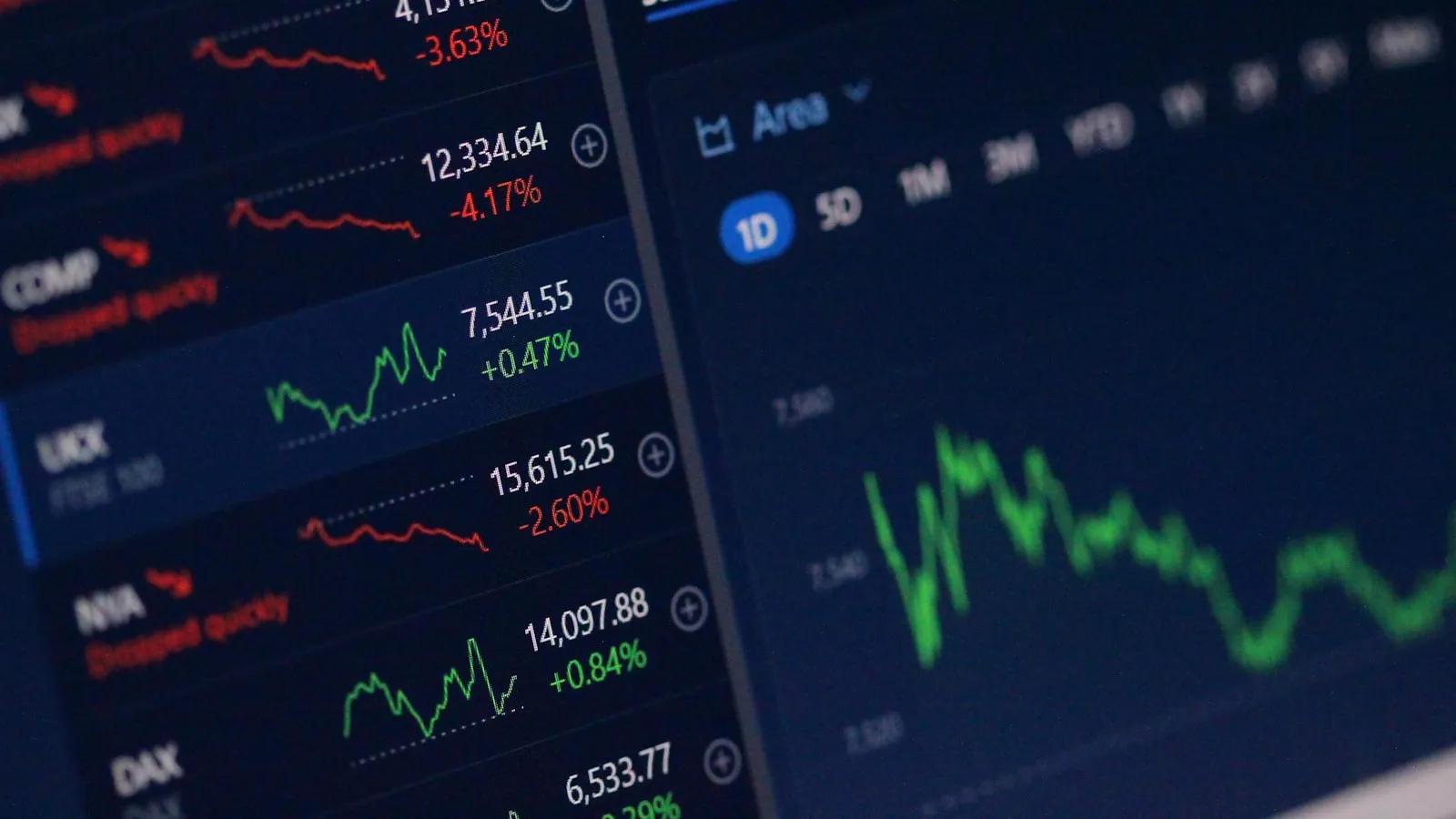
It is worth keeping the scale of the move in perspective. A 3.7% KOSPI gain and a three-day win streak repair only part of the damage from a month in which the index shed close to 29% and formally entered bear-market territory. The selloff was a valuation reset rather than a demand collapse, and this bounce is best understood as the mirror image: sentiment repricing back up as the panic drains, not a fresh verdict on the underlying business.
The structural questions that broke the trade in July have not been resolved. Reports that Chinese firms reached mass production of DUV lithography tools, and the blockbuster Shanghai debut of memory maker CXMT, still hang over the long-term supply picture. And the memory market’s history is unambiguous: it is one of the most brutally cyclical corners of technology, prone to swinging from shortage and fat margins to glut and losses. The AI memory supercycle thesis is a bet that this time the cycle has been stretched, not repealed — and nothing this week settled that debate.
What the rebound does show is how much of the July crash was crowding and positioning rather than fundamentals. When the same handful of names carry an outsized share of an index, the exits are narrow on the way down and the re-entries are just as violent on the way up. The July 30 rally that saw the SOX jump 8% was an earlier example of the same dynamic; August 12 is the pattern repeating at the index level in Seoul.
What it means
This is sentiment healing, not a fundamental all-clear. The catalysts that drove August 12 — a Temasek investment report, shareholder-return promises, and a general return of risk appetite — are real, but they are not evidence that the supply-glut fears behind July’s crash were wrong. They are evidence that those fears were priced to an extreme and are now unwinding. A sector that fell 30% on positioning can rebound sharply on positioning too, and that is largely what happened.
Shareholder returns may be the more durable story. Of the week’s catalysts, the prospect of a tenfold increase in Samsung’s capital returns is the one grounded in company fundamentals rather than market mood. If Korean chipmakers genuinely shift toward far larger buybacks and dividends, it changes how investors value them — from cyclical hardware names priced only on the memory cycle toward cash-returning compounders. That re-rating, if it materializes, would outlast any single rally.
The US and Korean memory trades are now one market. The August bounce was imported from an overnight US chip rally, just as July’s fear crossed the Pacific in the other direction. With Nvidia and Broadcom guiding to enormous AI-driven demand and HBM sold out, the bull case rests on supply staying tight. The bear case rests on China and the memory makers’ own capacity additions eventually loosening it.
What to watch next: whether Samsung and SK Hynix actually deliver the outsized shareholder returns analysts are pricing in; whether Temasek’s reported interest turns into a disclosed stake; whether DRAM and HBM contract prices hold their gains into the fourth quarter, which would validate the fundamentals-intact case; and whether this three-day rebound builds into a trend or fades as the next reminder of China’s rising supply lands.
Tagged
Keep reading
 Kurumi · · 6 min read
 Korea Chip Exports Hit Record in August, Up 209%
South Korea's chip exports jumped 209% in August 2026 to a record $46.65B — nearly half of all exports — as hyperscaler AI spending drove demand.
 Kurumi · · 5 min read
 Korea July Exports Jump 63% on Record Chip Shipments
South Korea's July exports rose 62.8% to $98.89B, the second-highest ever, as chip shipments jumped 179% on AI memory demand, trade ministry data showed.
Kurumi · · 6 min read AI Memory Boom Goes Bust as KOSPI Crashes
South Korea's KOSPI triggered back-to-back circuit breakers and memory names shed 30% as the AI memory trade unwound — even with record earnings and rising prices.