OpenAI Cuts Funding Round to $20B at $1.25T Valuation
OpenAI has cut its funding target from $30 billion to about $20 billion at a $1.25 trillion valuation amid an AI stock selloff, the FT reports.
OpenAI has cut the target for its latest private funding round by $10 billion, to about $20 billion, and lowered the valuation it is seeking to $1.25 trillion, the Financial Times reported on October 30, 2026, citing people familiar with the matter. Two weeks earlier, the company had been seeking roughly $30 billion at a valuation above $1.4 trillion.
The reduction comes during a sharp pullback in AI-linked stocks and ahead of rival Anthropic’s expected public listing in mid-November, two developments that the FT and other outlets said had complicated OpenAI’s effort to secure investor commitments. OpenAI has not publicly commented on the revised terms.
What changed
According to the FT report and follow-up coverage:
- Size: the target fell from about $30 billion to about $20 billion.
- Valuation: the price fell from above $1.4 trillion to $1.25 trillion, a cut of roughly 11%.
- Investor appetite: some prospective investors reduced the amounts they planned to commit as concern grew about returns on Big Tech’s AI spending.
- Initial close: the first close may come in below the new $20 billion target, according to one account of the FT report.
- Retail component: a subsequent offering is expected to give wealthy individuals the option to buy into OpenAI at the $1.25 trillion valuation, which could bring the total up to about $20 billion.
CNBC reported on October 31 that the round had not yet closed, meaning the final amount and terms could still change.
Who is in the round
Investors expected to participate include Founders Fund, Coatue, Sequoia Capital, Andreessen Horowitz and SoftBank, according to the reports. The coverage did not specify which participants had scaled back their commitments or by how much.
The round follows OpenAI’s much larger raise in March 2026, when the company closed approximately $122 billion at a post-money valuation of $852 billion. Even at the reduced price, a $1.25 trillion valuation would represent an increase of roughly 47% in about seven months.
The market backdrop
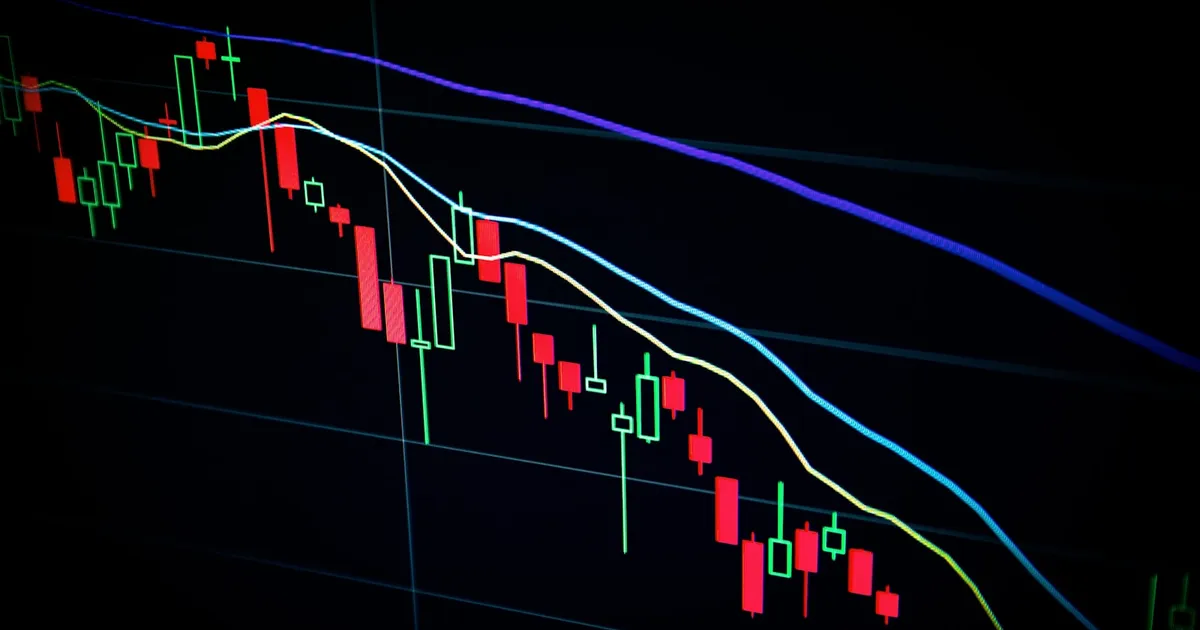
The original round was being assembled during a strong rally in AI shares. That rally has since reversed. The Nasdaq 100 has fallen roughly 10% from its record on October 6, according to market coverage, shedding about $2 trillion in market value over the past month.
The selloff accelerated during the final week of October as megacap earnings disappointed:
- Alphabet shares posted their worst session on record on October 29 after its third-quarter results.
- Intel fell close to 30% on October 30 after issuing weak fourth-quarter guidance, dragging chip stocks lower worldwide.
- Amazon fell about 5.6% the same day after reporting negative trailing free cash flow of $42.4 billion driven by data center spending.
- CoreWeave debt has come under pressure in recent weeks, and Asian memory and equipment stocks including SK Hynix and Advantest fell sharply on Friday.
Concern about the scale of AI investment has been building across the sector. Big Tech’s combined AI spending commitments have reportedly climbed to about $3 trillion, up from roughly $2.4 trillion in July, and S&P Global Ratings revised its outlook on Meta’s AA- credit rating to negative, citing negative free cash flow and the company’s planned AI capital spending, according to reports.
Public-market comparables are the main reference point private investors use to price late-stage companies, and a broad decline in AI-linked valuations makes a higher private mark harder to justify.
The Anthropic factor
OpenAI had reportedly been racing to finish the round before Anthropic’s initial public offering, which is expected in mid-November. Reports have put Anthropic’s target valuation at no less than $1.5 trillion, though estimates vary across outlets.
Both companies are courting many of the same institutional investors. Once Anthropic’s shares begin trading, those investors will have audited financials and a daily market price for OpenAI’s closest competitor, which could either support or undercut a $1.25 trillion private valuation depending on how the listing performs. Some coverage noted that Anthropic’s IPO could also draw capital away from private rounds, as large funds allocate to the public offering instead.
At $1.25 trillion, OpenAI’s private valuation would sit below the $1.5 trillion figure reported for Anthropic’s IPO. Earlier this year, Anthropic’s implied valuation on secondary markets briefly moved ahead of OpenAI’s.
How the numbers compare
Set against the original plan reported by Reuters on October 19, the revised terms change the math in several ways:
- Capital raised: about $10 billion less in new money, a reduction of roughly one-third.
- Headline valuation: about $150 billion lower, from above $1.4 trillion to $1.25 trillion.
- Dilution: a smaller raise at a lower price means new investors would own roughly 1.6% of the company, compared with a little over 2% under the original terms, based on the reported figures.
- Step-up from March: about 47%, versus roughly 64% under the earlier target.
The reported structure, with an institutional close followed by a retail tranche at the same valuation, is less common at this stage. It would broaden OpenAI’s shareholder base ahead of an IPO, though the reports did not say how the retail offering would be distributed or what minimum investment would apply.
OpenAI’s own IPO
OpenAI has decided to delay its own initial public offering until 2027, according to the reports, making this round a bridge to an eventual listing rather than a final pre-IPO raise. The timing matches earlier reporting that the company was leaning toward a 2027 debut, with chief executive Sam Altman reportedly seeking a valuation of at least $1 trillion.
The company’s capital needs remain large. OpenAI has signed compute commitments with multiple chipmakers and cloud providers, and it has projected cumulative compute spending in the hundreds of billions of dollars through the end of the decade.
What it means
The private market just repriced AI, modestly. An 11% cut in valuation and a one-third cut in round size is not a collapse, but it is the clearest sign so far that the October selloff in public AI stocks is reaching private markets. Late-stage investors who would have paid above $1.4 trillion three weeks ago are now negotiating harder, and some are writing smaller checks.
OpenAI loses some leverage going into Anthropic’s IPO. The original strategy was to set a high private benchmark before Anthropic’s public price existed. A lower mark, possibly closing below target and topped up with retail money, weakens that position. If Anthropic lists at or above $1.5 trillion and trades well, OpenAI’s next raise or IPO could recover ground; if Anthropic’s debut struggles, OpenAI’s lower price may look prescient.
Winners: investors still in the round, who are buying at a lower price than they were offered in mid-October, and Anthropic’s bankers, who no longer face a $1.4 trillion OpenAI comparable when setting their range. Wealthy individuals offered access through the retail tranche gain exposure that is usually reserved for institutions.
Losers: existing OpenAI shareholders and employees, whose expected mark-up is smaller, and any AI startup trying to raise at an aggressive valuation in the coming weeks, since OpenAI’s cut gives investors a reference point for pushing back.
What to watch: the size of the initial close, whether the retail tranche fills, the pricing and first-day performance of Anthropic’s IPO, and whether other large private AI companies revise their own fundraising terms.
For background, see our earlier reporting on the original $30 billion round, Anthropic’s IPO filing, OpenAI’s 2027 IPO plans, and the Kospi crash and CoreWeave bond stress earlier this month.
Keep reading
 Kurumi · · 5 min read
OpenAI $30B Funding Round at $1.4T Valuation: What We Know
OpenAI is seeking about $30 billion at a valuation above $1.4 trillion, racing to close before Anthropic's expected November IPO, Reuters reports.
 Kurumi · · 6 min read
ChatGPT Ads Hit $1B Run Rate: What OpenAI Revealed
OpenAI says ChatGPT Ads reached a $1B annualized run rate in under 200 days, with self-serve buying opening in Europe, India and MENA. What the numbers show.
 Kurumi · · 6 min read
SoftBank's $20 Billion Bond Sale to Fund OpenAI Bet
SoftBank is weighing a $10–20 billion bond sale to refinance a $40 billion bridge loan behind its OpenAI investment. The deal structure and what it signals.