Google Pixel 11 and Tensor G6: 2nm Chip, On-Device AI
Google's Pixel 11 ships with Tensor G6, the first phone chip on TSMC's 2nm process, running Gemini Nano on-device. Specs, price, and what's new.
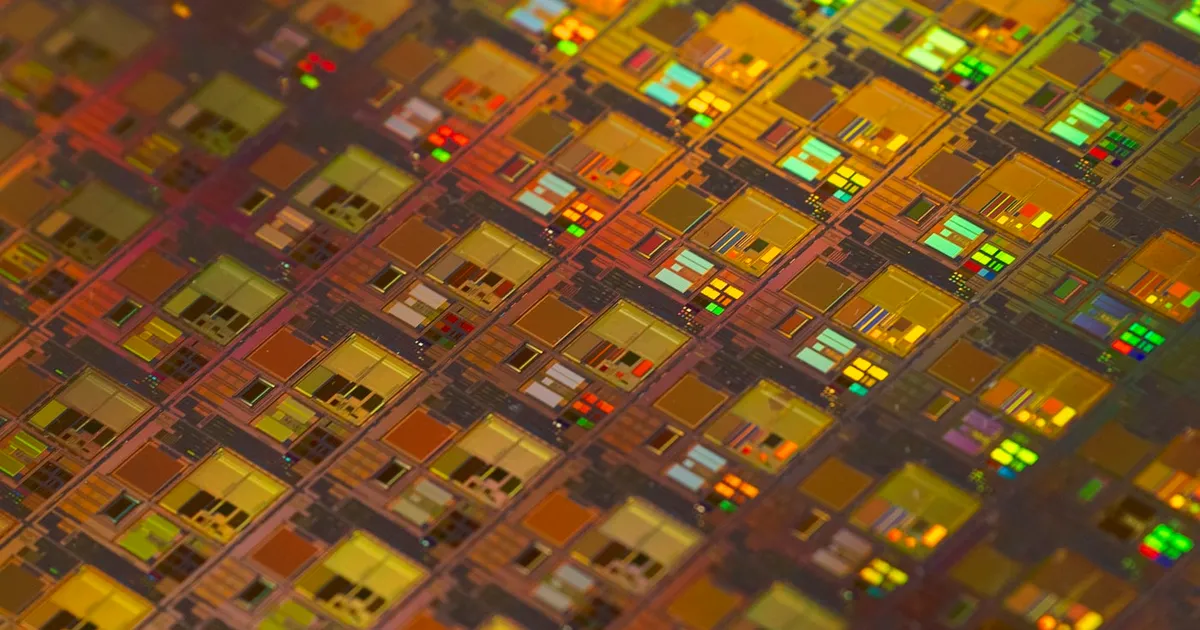
Google’s newest phones went on sale this week with a processor that matters more than any single camera feature. Announced on August 12 and reaching stores on Wednesday, August 20, 2026, the Pixel 11, Pixel 11 Pro, and Pixel 11 Pro XL are built around the Tensor G6, which Google describes as the first smartphone chip manufactured on TSMC’s 2-nanometer (N2) process. The pitch is less about megapixels than about moving Google’s AI stack — the Gemini family of models — onto the device itself.
Tensor G6: the first 2nm phone chip
The headline for the technically inclined is the process node. Tensor G6 is the first mobile system-on-chip fabricated on TSMC’s 2nm N2 process, a leading-edge node that packs more transistors into the same area while cutting the power each one draws. Google says the result is a chip roughly 20% faster and 20% more power efficient than the previous generation, gains that translate directly into battery endurance and sustained performance under heavy workloads — the conditions AI features tend to create.
The more strategically important number is on the AI accelerator. The chip’s tensor processing unit (TPU) is, per Google, about 50% faster at running Gemini commands, the on-device model inference that powers features like live translation, photo editing, and the assistant. Where earlier Pixels leaned on the cloud for most heavy AI work, Tensor G6 is engineered to keep more of that work local.
Google says the chip was co-designed with Google DeepMind, the research group behind its frontier models — an unusual level of integration between a hardware team and a model lab, and a sign of how tightly the company now couples silicon design to the models it expects that silicon to run. Tensor G6 is paired with a Titan M3 security co-processor that Google says delivers quantum-resistant protections, hardening the device against the class of future attacks that could break today’s public-key cryptography.
The move to 2nm also plants Google firmly on TSMC’s most advanced manufacturing. The Taiwanese foundry has been ramping that node aggressively amid record demand, and its record-profit June quarter was driven by exactly the leading-edge orders that a chip like Tensor G6 represents. Being first to ship a 2nm phone is as much a supply-chain achievement as an engineering one.
Gemini Nano and on-device intelligence
The reason Google keeps pushing silicon is software. Tensor G6 runs the latest Gemini Nano, the compact member of the Gemini family built to execute on a phone rather than in a data center, and it is the engine behind what Google brands Gemini Intelligence across the Pixel 11 line.
In practice, that means the assistant can surface context across apps — pulling relevant details from Messages, Maps, Calendar, and the At a Glance widget without a round trip to the cloud. Live Translate handles more real-time audio translation on-device, useful precisely in the situations where connectivity is poor. Keeping inference local has three payoffs Google is eager to emphasize: lower latency, function without a network connection, and a privacy story in which sensitive data — messages, location, calendar entries — is processed on the handset rather than transmitted off it.
That last point is becoming a competitive dividing line across the industry. Running a capable model on-device is the difference between an assistant that works instantly and privately and one that stalls when the signal drops. The 50%-faster TPU is what makes the more ambitious on-device features viable rather than merely demoable, and it is why Google spent its keynote time on the chip rather than the chassis.
Price and lineup
On pricing, Google held the line at the top and trimmed the bottom of the storage ladder. The Pixel 11 Pro starts at $1,099, and notably the Pro tier drops the 128GB base configuration, making a larger storage tier the entry point — an effective price adjustment even where the sticker figure is unchanged. The standard Pixel 11 slots in below the Pro, with the Pixel 11 Pro XL anchoring the top of the range with the largest display and battery.
The lineup structure mirrors the broader premium-phone market, where the meaningful upgrades — the best cameras, the most memory for on-device AI, the highest sustained performance — increasingly cluster in the Pro models. For a device whose marquee features are AI workloads, memory and thermal headroom are not incidental specs; they are what determines how many of the advertised Gemini features actually run well.
The competitive picture
Google’s phone volumes are a fraction of the market leaders’, but the Pixel serves a specific purpose: it is the reference device for Android’s AI direction and a showcase for what Google’s own silicon and models can do together. By being first to a 2nm phone chip and pushing Gemini Nano deeper into the device, Google is trying to set the terms of the on-device AI conversation before rivals ship their own answers.
The pressure comes from every side. Apple continues to advance its own in-house silicon and on-device intelligence, and Qualcomm’s latest mobile platforms have narrowed the gap on neural-processing performance for the wider Android ecosystem. The mobile SoC race is now, in large part, a race over how much AI can run locally and how efficiently — a contest that rewards exactly the architectural efficiency that custom, tightly-integrated designs like Tensor are built to exploit. Google’s bet is that co-designing the chip with the model lab produces a better result than buying a merchant part and layering software on top.
What it means
The Pixel 11 is a modest phone launch wrapped around an ambitious silicon statement. The devices themselves are iterative; the Tensor G6 is the news, because it moves Google’s AI strategy another step from the cloud onto the handset — and does it on the most advanced manufacturing process yet used in a phone.
Who wins. Google gets a flagship demonstration that its silicon-plus-model integration can ship first on a cutting-edge node, and a privacy-and-latency story that plays to on-device inference. TSMC gains a marquee 2nm customer that validates the node for high-volume consumer parts. And Pixel owners get faster, more capable AI features that keep working offline and keep more data on the device.
Who feels it. Rival silicon and phone makers now have a concrete 2nm, on-device-AI benchmark to answer, and the pressure to match it will pull the whole Android ecosystem toward local inference. The dropped 128GB Pro tier also quietly raises the real entry price for the phone’s best experience, which buyers will feel even if the headline number held.
What to watch next. Three things. First, whether the 20% efficiency and 50% TPU gains hold up under sustained real-world AI workloads, where thermals — not peak benchmarks — decide the experience. Second, how quickly Gemini Nano’s on-device features expand, since the value of a faster TPU is only realized as more of the assistant runs locally. Third, the ripple through the mobile chip market: a first 2nm phone chip resets expectations for competitors and for TSMC’s foundry roadmap, and the next several flagship launches will be measured against the bar Google just set.
Keep reading

 Chisato · · 6 min read
 Google Assistant Shutdown: Gemini Takes Over Android
Google began retiring Google Assistant on September 4, replacing it with Gemini across Android phones, tablets, Wear OS, and Android Auto. What changes and what's lost.
Chisato · · 6 min read Gemini Watermark Toggle: Remove Visible AI Marks
Google will let Gemini users hide the visible watermark on AI images, video, and music. Invisible SynthID and C2PA metadata stay. Here's what changes.
Chisato · · 6 min read Gemini Hits 1 Billion Users: Google's Fastest App
Google's Gemini app crossed 1 billion monthly active users, CEO Sundar Pichai said — its fastest climb to that milestone yet and a direct challenge to ChatGPT.